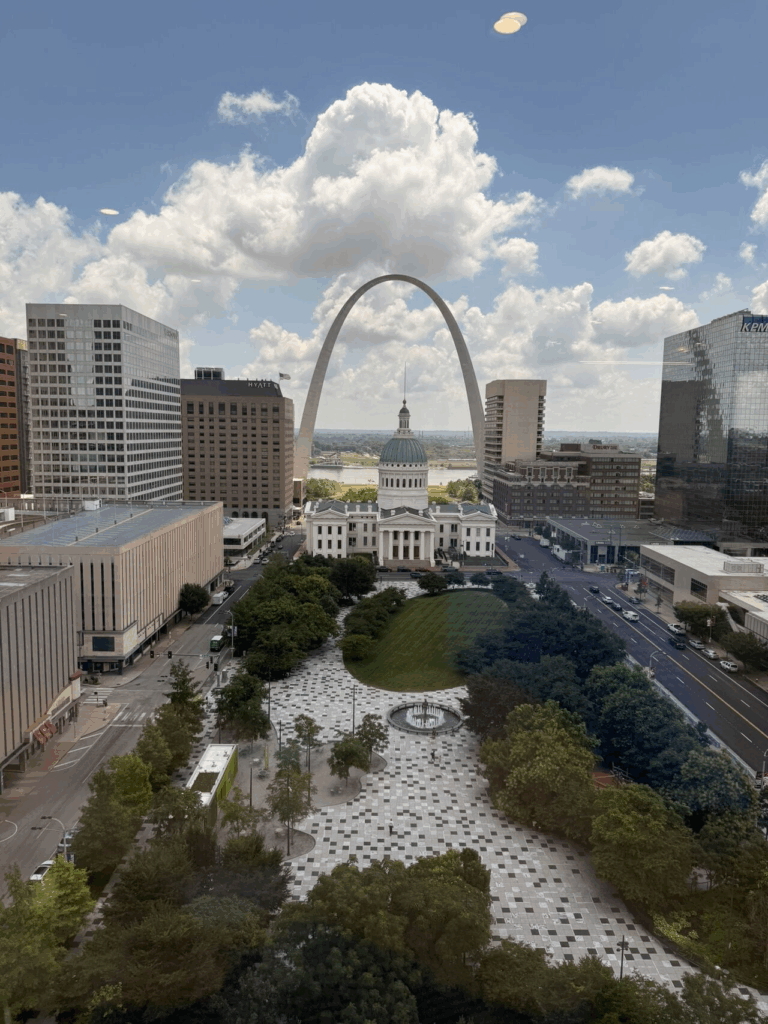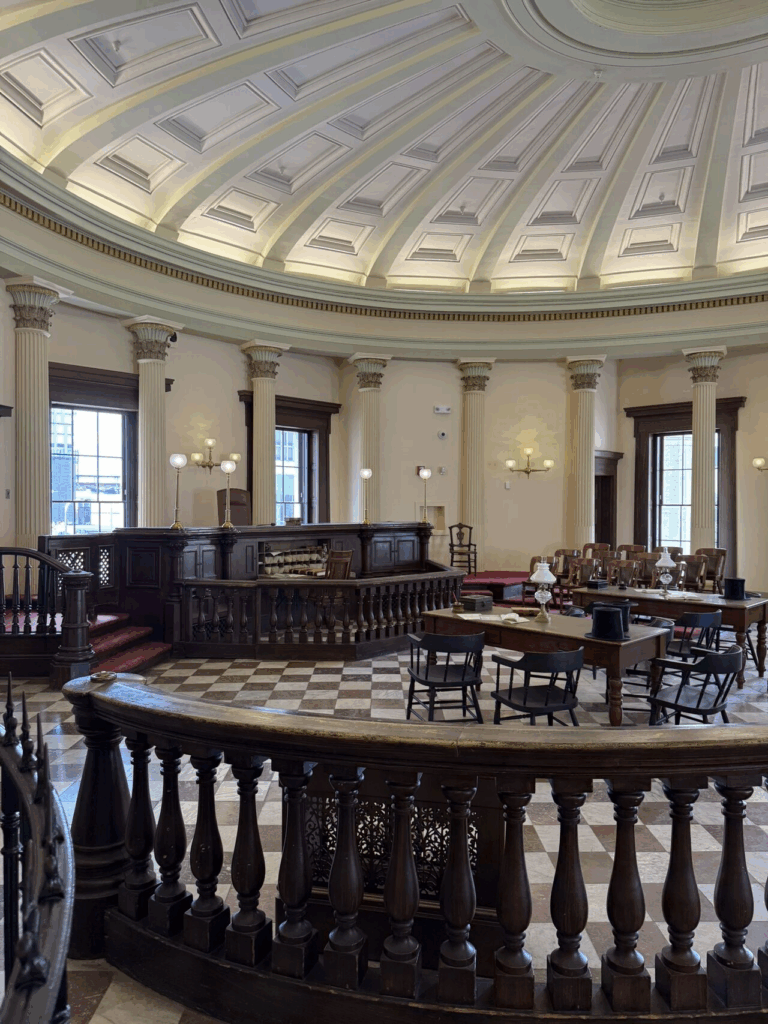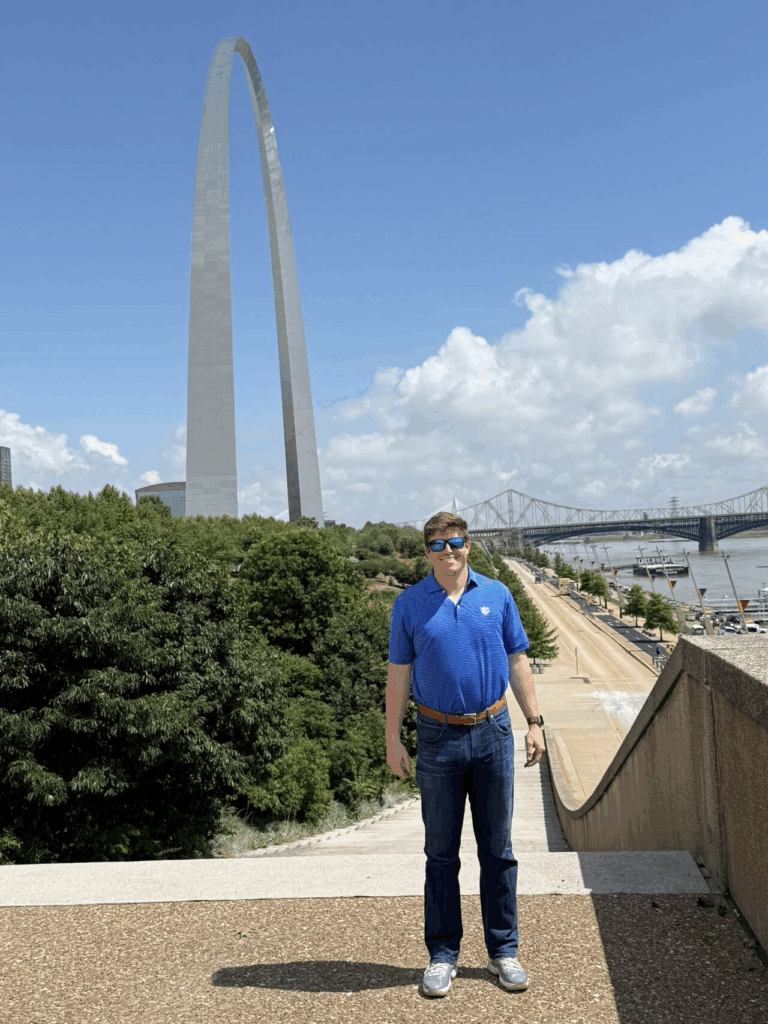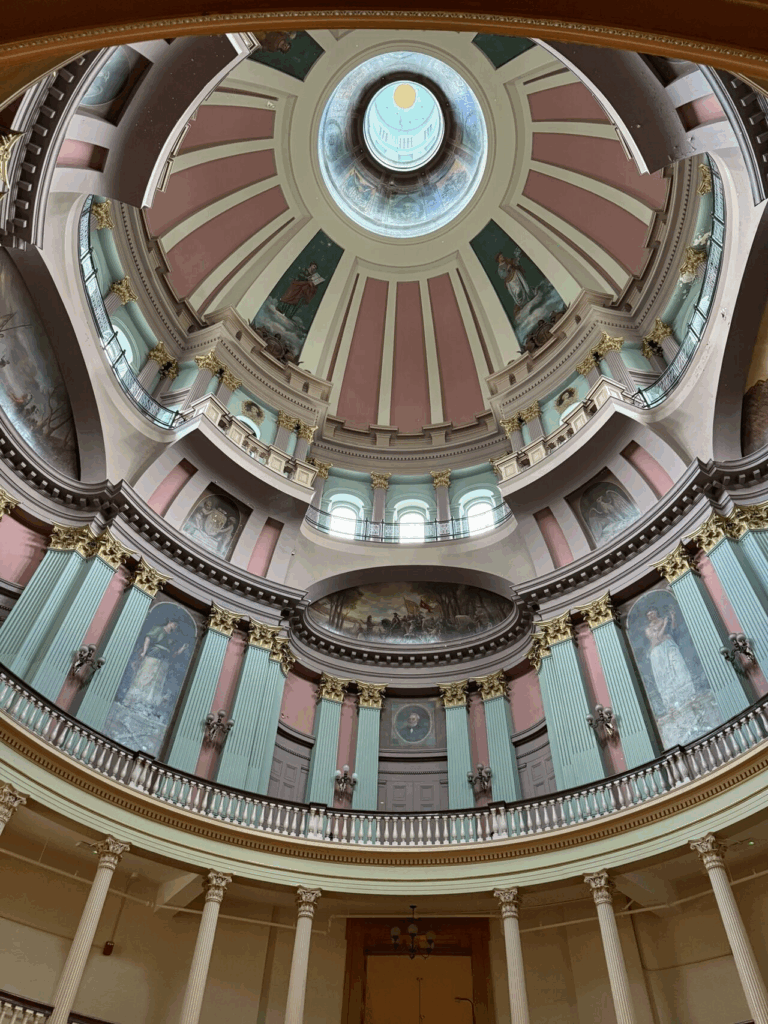
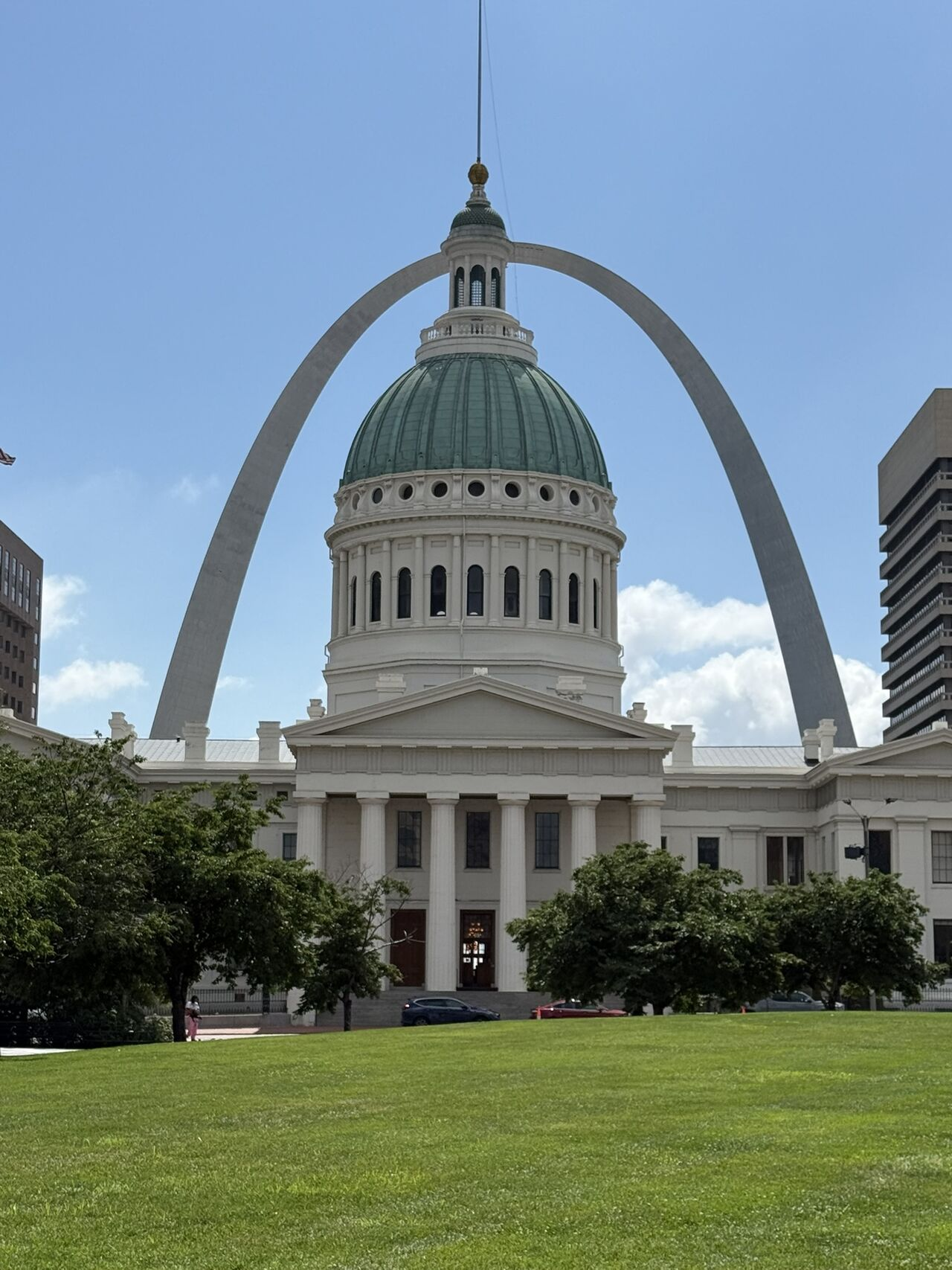
Yesterday, I was invited to visit the Arch Grounds and Old Courthouse in downtown St. Louis. Thank you Christopher Casey, Tasha, & Gateway Arch Park Foundation for a powerful afternoon.
I told them from the beginning: this is a building I’ve always had mixed feelings about.
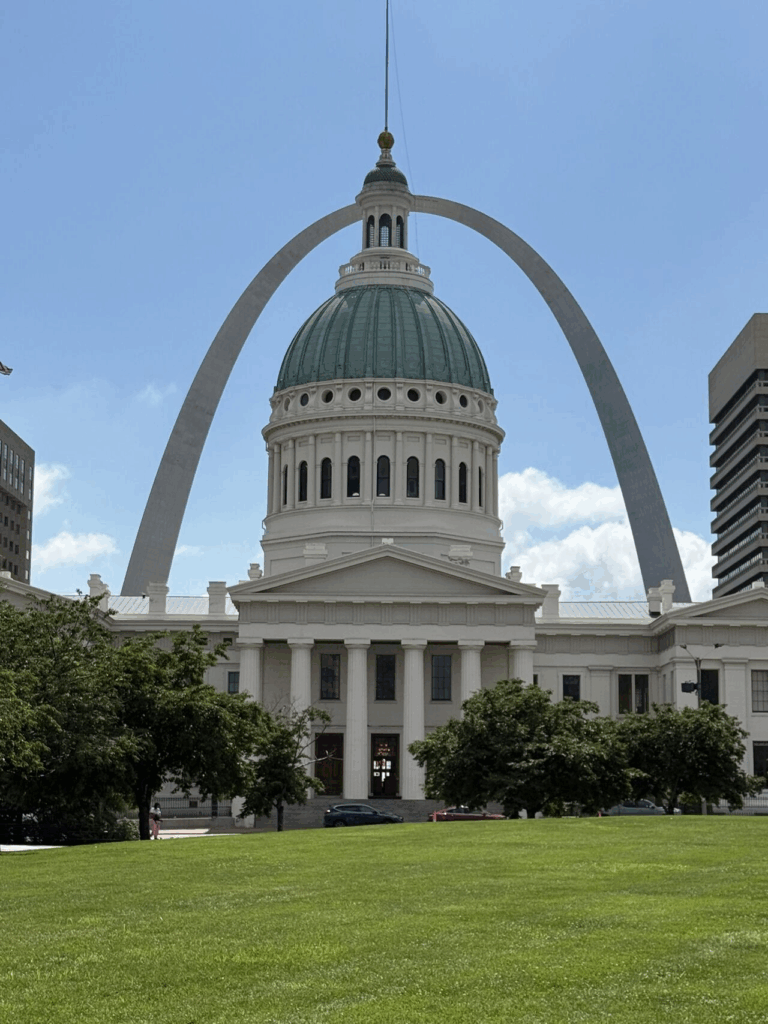
It’s undeniably beautiful. From 1864-1894, it was the tallest structure in Missouri, inspired by St. Peter’s Basilica. From certain angles, it lines up perfectly with the Gateway Arch, connecting our city’s skyline to its complex past.
But it’s not just the architecture I see
It’s the site where Dred and Harriet Scott filed their lawsuit for freedom. It’s where Virginia Minor sued for women’s right to vote and lost. It’s where people were auctioned, lynched, and where decisions that shaped (and scarred) our country were made
It’s not history I enjoy thinking about. But that doesn’t mean I shouldn’t
Yesterday I realized: The Old Courthouse is not a symbol of injustice. It’s a monument to the power of people who stood up and said no more, often at great cost
We have seen flavors of this countless time in the business world, people standing up for what’s right (𝘕𝘰𝘵𝘦: 𝘰𝘣𝘷𝘪𝘰𝘶𝘴𝘭𝘺 𝘯𝘰𝘯𝘦 𝘰𝘧 𝘵𝘩𝘪𝘴 𝘳𝘦𝘮𝘰𝘵𝘦𝘭𝘺 𝘤𝘰𝘮𝘱𝘢𝘳𝘦𝘴 𝘵𝘰 𝘸𝘩𝘢𝘵 𝘋𝘳𝘦𝘥 𝘢𝘯𝘥 𝘏𝘢𝘳𝘳𝘪𝘦𝘵 𝘚𝘤𝘰𝘵𝘵 𝘥𝘪𝘥)
𝗙𝗿𝗮𝗻𝗰𝗲𝘀 𝗛𝗮𝘂𝗴𝗲𝗻 𝗮𝘁 𝗙𝗮𝗰𝗲𝗯𝗼𝗼𝗸 (𝗻𝗼𝘄 𝗠𝗲𝘁𝗮): She blew the whistle on how internal research showed harm to users, especially teens, even as the company downplayed it publicly. Her testimony changed the global conversation around tech and ethics — at major personal risk.
𝗦𝘂𝘀𝗮𝗻 𝗙𝗼𝘄𝗹𝗲𝗿 𝗮𝘁 𝗨𝗯𝗲𝗿: Her blog post in 2017 exposed a culture of sexual harassment and retaliation, eventually leading to a CEO resignation and a broader reckoning in Silicon Valley.
𝗕𝗿𝗮𝗱 𝗕𝗶𝗿𝗸𝗲𝗻𝗳𝗲𝗹𝗱 𝗮𝘁 𝗨𝗕𝗦: A private banker who exposed illegal tax shelters for the ultra-wealthy — even though it cost him prison time.
𝗝𝘂𝗻𝗶𝗼𝗿 𝗮𝗻𝗮𝗹𝘆𝘀𝘁𝘀 𝗮𝗻𝗱 𝗲𝗺𝗽𝗹𝗼𝘆𝗲𝗲𝘀 who speak up about toxic cultures, accounting red flags, or unethical deal practices, often without headlines, but with real consequences for their careers.
In a sense, in each of our tiny lives, this is our individual civic duty: to do the uncomfortable, to confront history we aren’t proud of, to make a decision that in the short-term may be a risk, because in the long-term, we won’t be able to live with ourselves.
For the future of the old courthouse, it made me wonder: What’s the next legacy of this place?
Should it always remain a museum? Could it become a center for civic learning? For reconciliation? For forward-looking leadership?
Maybe that’s a crazy idea.
Or maybe that’s what history asks of us: 𝘁𝗼 𝗯𝘂𝗶𝗹𝗱 𝗼𝗻 𝘁𝗵𝗲 𝗯𝗲𝗮𝘂𝘁𝘆, 𝘄𝗵𝗶𝗹𝗲 𝗿𝗲𝗳𝘂𝘀𝗶𝗻𝗴 𝘁𝗼 𝗳𝗼𝗿𝗴𝗲𝘁 𝘁𝗵𝗲 𝗽𝗮𝗶𝗻.